

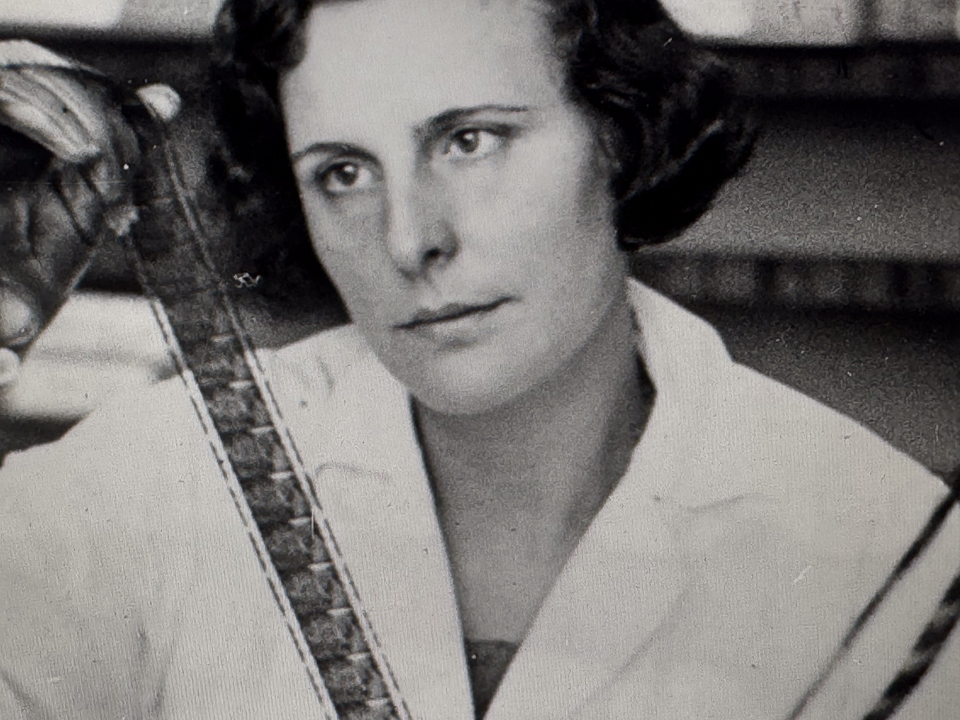
Leni Riefenstahl (1902-2003) was one of the most provocative and controversial women of the 20th century. Her 600-page memoir, published in 1987, is riveting. A German-born dancer, actor, mountaineer, scuba diver, photographer, writer and film director, she excelled in all her endeavors.
But Riefenstahl’s life was tainted by her association with Adolf Hitler and his Nazi colleagues. Criticized for her alleged willful collaboration with the Nazis, she denied this until her death. Riefenstahl asserted her film about the Nazi Party rally of 1935 and, later, the 1936 Berlin Olympic Games were purely artistic pursuits, She added she could not have anticipated, in the mid-1930s, the coming atrocities of the Holocaust.
In her memoir, she quotes up front the renowned Jewish physicist, Albert Einstein, who fled Germany during the Nazi era: “So many things have been written about me, masses of insolent lies and inventions, that I would have perished long ago, had I paid any attention. One must take comfort in the fact that time has a sieve, through which most trivia runs off into the sea of oblivion.”
Riefenstahl begins with a statement: “It is not easy for me to leave the present behind to understand my life in all its strangeness. I feel as though I have lived many lives, experienced the heights and depths of each, and, like the waves of the ocean, never known rest. Throughout the years, I have always looked for the unusual, for the wonderful, for the mysteries at the heart of life.”
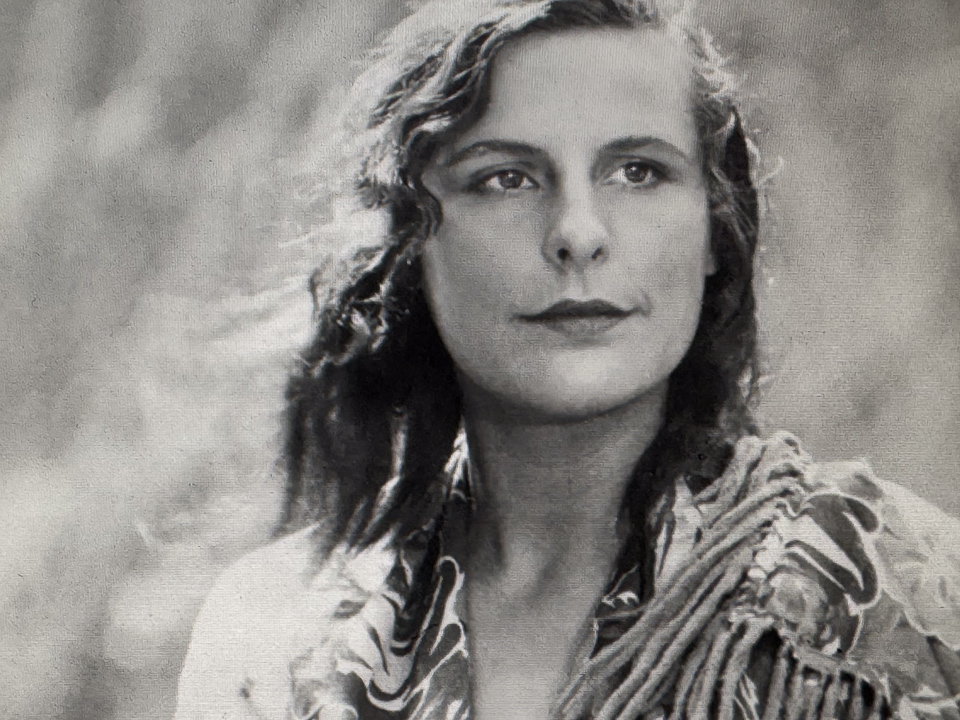
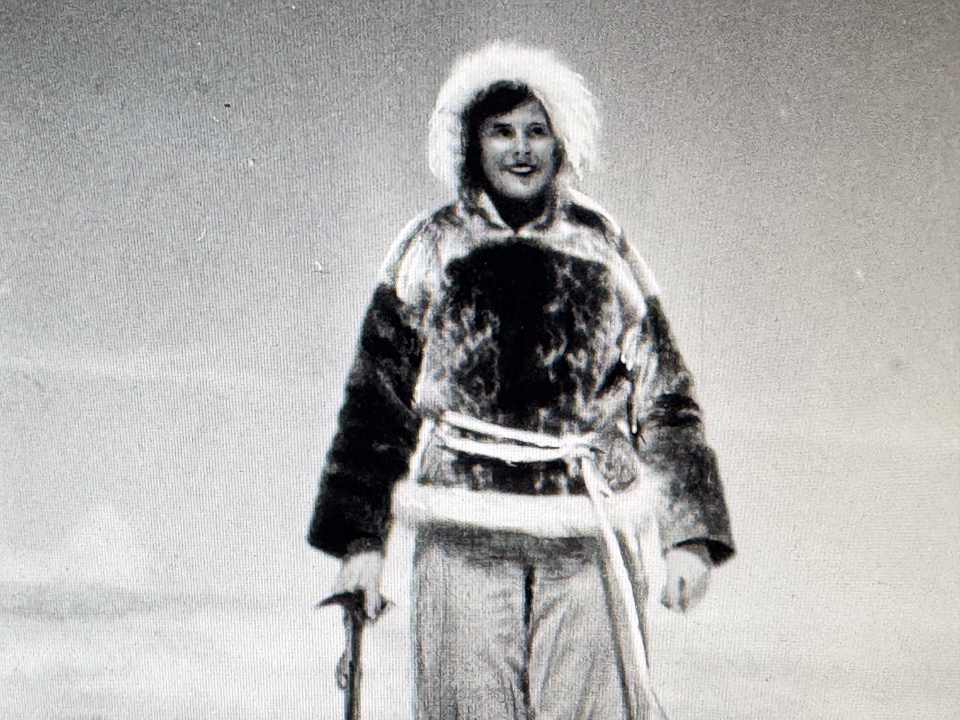
Later, she turned to directing her own films. She became best known for: Triumph of the Will (1935), a dramatized portrayal of Hitler and a Nazi Party rally, and Olympia (1938), a highly acclaimed documentary about the 1936 Olympic Games in Berlin.
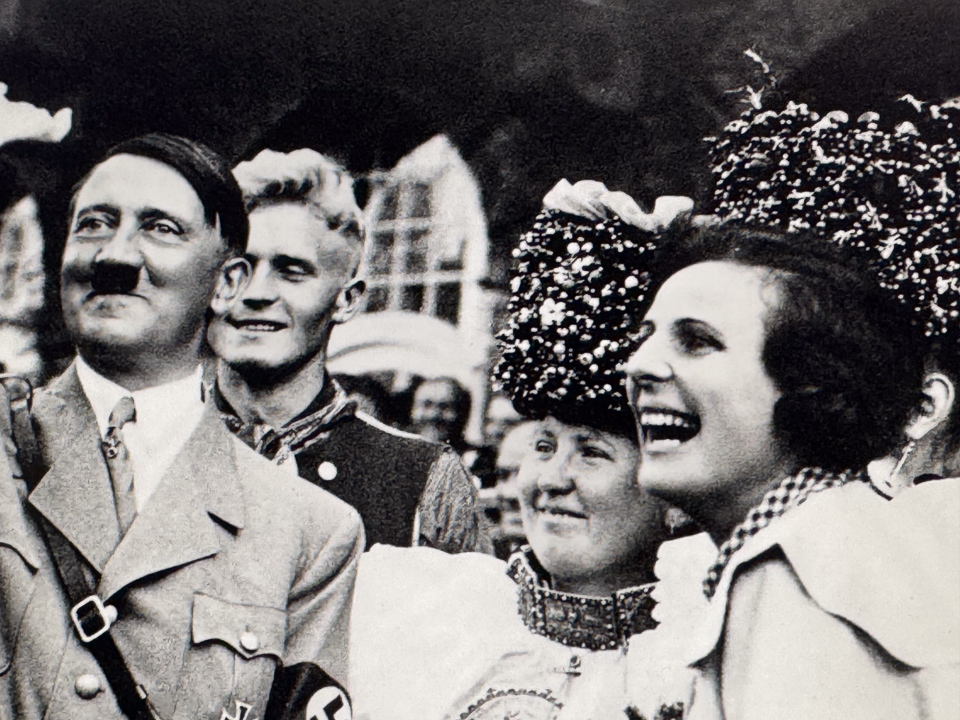
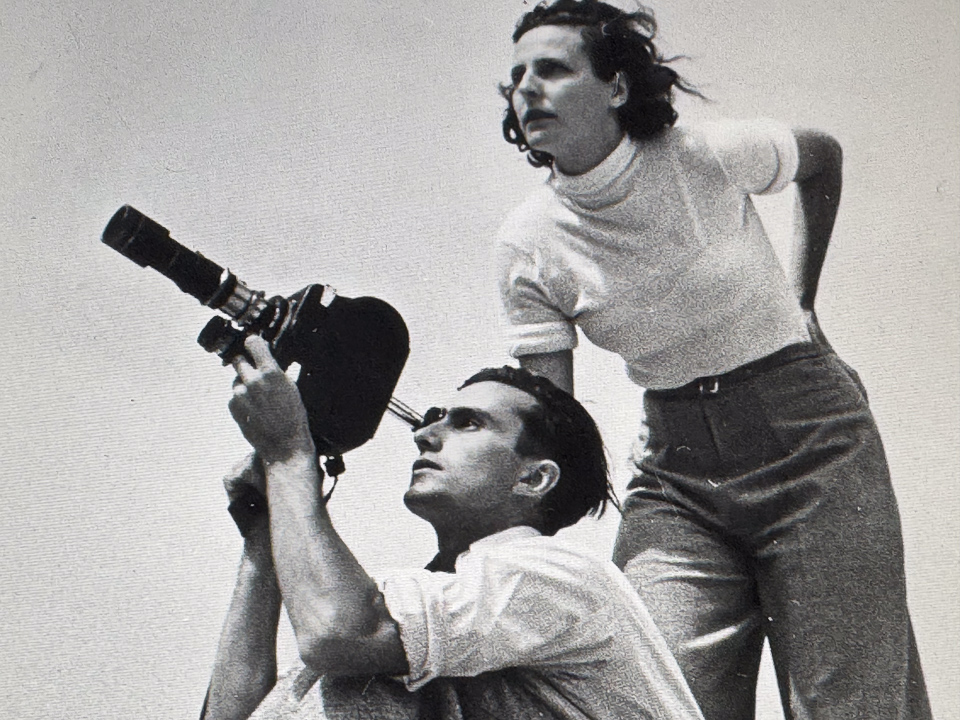
By 1939, she was arguably the most famous woman film director in the world, admired by such greats as Walt Disney, Charlie Chaplin and Andy Warhol. Widely considered an artistic innovator, she pioneered unusual camera film-making angles, movement of cameras on tracks to capture dynamic film sequences, utilization of slow motion, montage imagery—and creative editing. Critic Charles Moore of The Daily Telegraph wrote, “She was perhaps the most talented female cinema director of the 20th century.” Pauline Kael, film reviewer for The New Yorker, called her films Triumph of the Will and Olympia, “the two greatest films ever directed by a woman.”
In the 1960s, Riefenstahl became intrigued with East Africa, especially after reading Hemingway’s Green Hills of Africa. She developed an interest in living with and photographing the remote Nuba tribes in the Sudan. She also photographed the Maasai, Samburu and smaller tribes in Kenya. Her still photographs appeared in magazines around the world and resulted in two books, published in 1974: The Last of the Nuba and Vanishing Africa.
American author Eudora Welty, wrote, “She uses light purposefully … all the pictures bring us the physical beauty of the people.” The Art Director’s Club of Germany awarded Riefenstahl a gold medal for the best photographic achievement of 1975.
Riefenstahl photographed the 1972 Olympic Games in Munich as well as rock star Mick Jagger with his wife Bianca for The Sunday Times. And she was guest of honor at the 1976 Olympic Games in Montreal, Quebec, Canada.
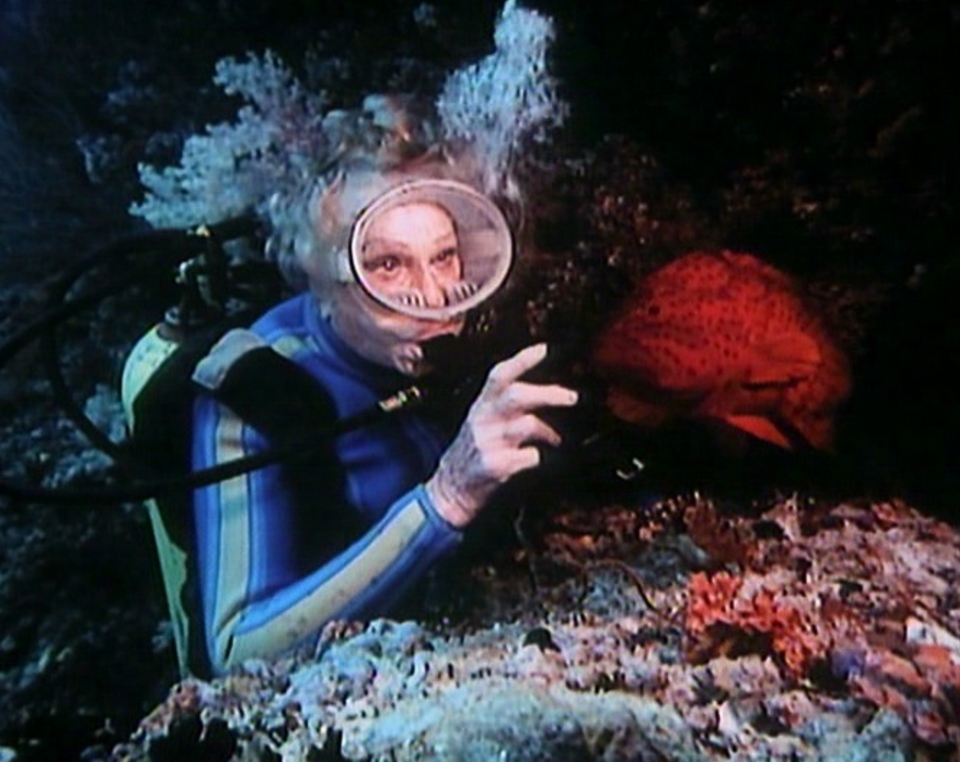
In the early 1970s, Riefenstahl took up scuba diving (at the advanced age of 73!) and even lied about her age to gain entry to a German diving school. She developed an intense interest in the beauty of the underwater world and published two acclaimed photography books about marine life.
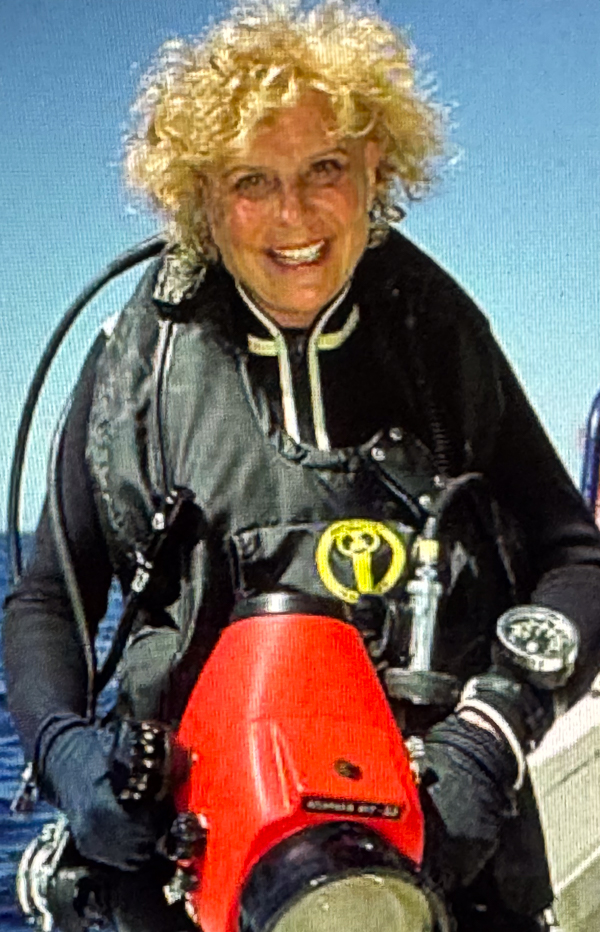
Incredibly, in the mid- 1990s, I (Charles) met her along with other divers on a scuba diving trip to Cocos Island, a possession of Costa Rica some 300 miles offshore in the Pacific Ocean. She was filming for her last underwater documentary movie and, like all of us, was fascinated by the incredible concentration of pelagic sea life there: schooling Scalloped Hammerhead Sharks, Whale Sharks, large schools of Manta Rays and much more.
In August 2002, on her 100th birthday, she released her last film, Underwater Impressions, the result of 30 years of underwater cinematography in such extraordinary locations as Papua New Guinea, Cocos Island, the Maldives, the Seychelles, the Red Sea and Tanzania. She wrote, “Underwater films up to now have been scientific like Jacque Cousteau’s or sensational like the Hollywood shark films, but there are none like this one…I hope it will touch the viewer’s conscience as it illustrates just what the world will lose when nothing is done to stop the destruction of the oceans.”
Riefenstahl was one of those incredibly driven human beings—an audacious woman with multiple lives who lived passionately and marched to her own drummer. David Hinton, author of The Films of Leni Riefenstahl, wrote, “The drama of her life, the epic sweep of her activities that span the globe and encompass the entire twentieth century, and, most important, the moral issues that her work raise, certainly call for a dramatic biopic of this challenging and complex historical figure.”
She compares with other famous women who also were writers and seemed to have superhuman qualities: Freya Stark, the first woman to explore remote regions of the Middle East in the 1930s; Beryl Markham, the first person to make a solo, non-stop transatlantic flight, east to west—arguably a more impressive achievement than Charles Lindbergh’s flight from west to east; and, finally, British author and explorer, Rosita Forbes, who wrote, “The goal us always just across the next river, round the shoulder of the next mountain. There’s always one more track to follow.”
In his biography of her, Leni, The Life and Work of Leni Riefenstahl, Steven Bach expresses doubts about her character and motives: “Perhaps narcissism and self-righteousness had blindsided Leni to anything outside herself and made her tone-deaf to any voice but her own.”
Despite being acquitted of crimes in various court trials after the war, her achievements were, alas, always clouded by the associations with Nazi Germany. The tension between the political meaning of her work and its aesthetic qualities never subsided.
We should remember, however, that other great artists had ambivalent moral legacies: Renowned U.S. film director, Elia Kazan, who conspired, for example, with the U.S. government to blacklist colleagues as Communists during the McCarthy era and, German opera composer, Richard Wagner, who was virulently ant-Semitic and, later, glorified by Hitler.
Riefenstahl confessed that writing her memoir was not easy and that it took her a long time to get started. As for all the criticisms she endured because of her friendship with Hitler and other Nazis, she always maintained her innocence of crimes.
In a letter to formerly imprisoned (at Nuremberg) Nazi, Albert Speer, she writes in 1976, “I, too, can never forget or forgive the terrible things that were done in Hitler’s name, nor do I wish to.” And, about her memoir, she pens these closing remarks, “My aim was to tackle preconceived ideas and to clear up misunderstandings, and I spent five years working on the manuscript. It was not an easy task… it did not turn out to be a happy one.”
Most likely, Riefenstahl initially befriended Hitler and the Nazis to advance her career. Then, as the horrors of WW 2 became obvious, she stopped producing films that might be viewed as Nazi propaganda. But the jury will always be out on her motivations.
On balance, Riefenstahl should be considered a bold, adventurous and unusually talented woman whose life and artistic achievements can be appreciated, regardless her alleged shortcomings. .
Documentaries
The Horrible Power of Images, Andres Veiel, 2024
Leni Riefenstahl & Arnold Fanck—Between Adolph Hitler and Hollywood, A. Baumeister, 2018
The Wonderful Horrible Life of Leni Riefenstahl, Ray Muller, 1993
Books
Leni Riefenstahl: A Life, Jürgen Trimborn, 2007
Leni, The Life and work of Leni Riefenstahl, Steven Bach, 2007
The Seduction of Genius, Rainer Rothe, 2002
The Films of Leni Riefensatahl, David Hinton, 2000
Memoir, Leni Riefenstahl, 1987